

In today’s world, every organization depends on the smooth functioning of its infrastructure. From energy systems to daily maintenance, facility operations play a crucial role in maintaining business continuity. But managing all these manually is no longer sustainable — and that’s where Facility Management Software (FMS) steps in.
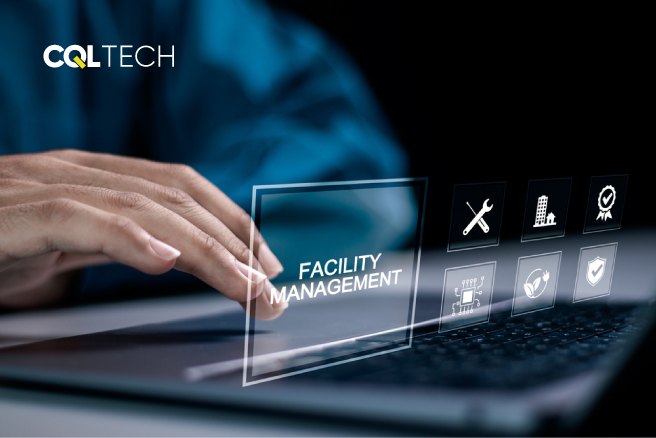
Modern FMS platforms automate operations, streamline communication, and bring transparency across departments. Whether you manage a corporate office, hospital, or residential community, FMS helps you centralize everything — work orders, maintenance history, inventory, and vendor management — in one dashboard.
Beyond organization, the software saves time and resources. With predictive maintenance, teams can anticipate equipment failures before they happen, reducing downtime. Energy tracking modules provide insight into usage patterns, helping companies cut unnecessary costs.
Ultimately, Facility Management Software transforms reactive operations into proactive, data-driven management — turning buildings into smarter, more efficient spaces that truly support the people within them.
Key Takeaways:
- Facilities management software (FMS) helps businesses manage work orders, maintenance tasks, and vendor coordination.
- It centralizes operations for multi-site facilities, improving uptime and compliance.
- Modern FMS includes preventive maintenance scheduling, asset tracking, and real-time analytics.
- Using an FMS reduces operational costs and ensures a better facility experience for customers and staff.

One comment
Hi, this is a comment.
To get started with moderating, editing, and deleting comments, please visit the Comments screen in the dashboard.
Commenter avatars come from Gravatar.